

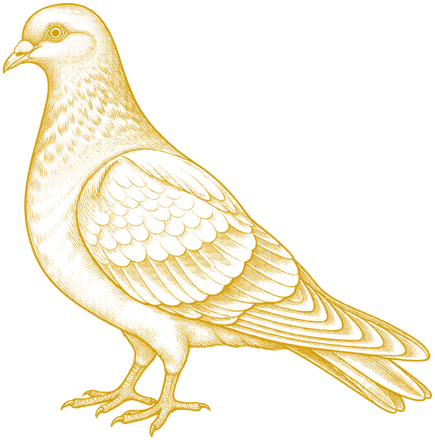
Pigeons
Birds on the ledges and signs, nests in the vents, and droppings that damage the building below.
Overview
Pigeons cause outsized problems for buildings: droppings that corrode roofing, cladding and equipment, nests that block vents, and roosts over doorways where customers walk.
Lasting pigeon control combines removal with physical deterrents so the building stops offering a place to land and nest. Some of that work is specialized, and parts of it may be brought in through a trade partner.
How to identify
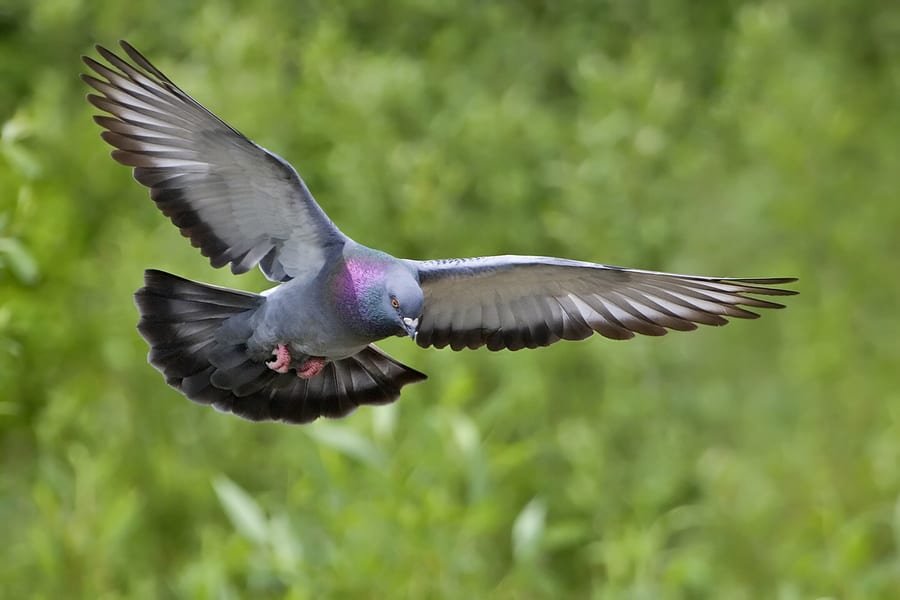
- Pigeons are stocky grey birds that gather in flocks on ledges, signs and rooftops.
- Nests are loose piles of twigs and debris tucked onto flat, sheltered surfaces.
- Heavy white staining down a wall marks an established roost.
Fast facts
- Problem birds
- Feral pigeons
- Damage
- Corrosive droppings, blocked vents
- Hot spots
- Ledges, signs, rooftop equipment
- Solution
- Removal plus exclusion
Signs to watch for
- Droppings building up on ledges, walkways, vehicles and rooftop equipment.
- Nesting debris in gutters, downpipes and behind signage.
- Birds roosting on the same rooflines, canopies and docks day after day.
- Feathers and nest material around vents and equipment housings.
Why it matters
- Droppings corrode roofing, paint, vehicles and equipment.
- Nest debris blocks vents and drains, which can be a fire and water-damage risk.
- Droppings on walkways are a slip hazard and, in quantity, a health concern needing careful cleanup.
- Nesting at a storefront or food site creates sanitation and image problems.
How we handle it
Our approach
Removal and control
We clear active nests and reduce the resident flock at the site. Why it matters: deterrents work far better once the established birds have been moved along.
Cleanup
We clean and treat droppings and nest debris safely. Why it matters: fresh birds are drawn to the smell of an old roost, so removing it is part of the fix.
Spikes
We fit anti-roosting spikes on ledges, signs and pipes. Why it matters: spikes take away the flat landing surfaces pigeons rely on.
Netting
We install netting to close off larger areas such as courtyards, canopies and equipment bays. Why it matters: netting is the most complete way to keep birds out of a space entirely.
Deterrent systems
Depending on the building we recommend other deterrents such as wire systems or ledge modifications. Why it matters: the right mix depends on the surfaces and how the birds are using them.
How the work is handled
Some pigeon work — netting, spike installation and larger exclusion projects — may be subcontracted to a specialist trade partner. Not all of this work is carried out in-house, and we tell you upfront which parts are handled directly and which are subcontracted.
Prevention
Keep them from coming back
- Address roosting ledges before nesting season starts.
- Screen vents and equipment housings with bird-rated covers.
- Keep waste areas clean and bins lidded.
- Clear nesting debris from gutters and downpipes each year.
- Clean up droppings promptly so new birds are not drawn in.
Questions
Pigeons questions, answered
How do I keep pigeons off a building for good?
Removal on its own rarely lasts, because new birds move into an empty roost. Lasting control pairs cleanup with exclusion — spikes, netting and deterrents fitted to your building.
Is any of this work subcontracted?
Yes. Netting, spike installation and larger exclusion projects may be brought in through a specialist trade partner rather than done in-house. We are clear about which parts we handle directly.
Are pigeon droppings a health risk?
In quantity they are a concern and need careful cleanup rather than a quick sweep. They are also corrosive to roofing, paint and equipment, so there is a maintenance cost to leaving a roost in place.
Get it handled
PESTS DON'T WAIT. NEITHER SHOULD YOU.
Call Central Prairie Pest Control or send the quote form — you'll get a clear price and plan before any work starts.